

火山杂志6周年纪念:召唤术 I - 奥术领域:瑞士Folk / Melodic Death Metal / Metalcore / Folk乐队Eluveitie 专访
- Volcano Magazine

- 4 hours ago
- 17 min read

在金属乐的发展历程中,民谣金属始终扮演着连接过去与未来的角色——它既承载古老文明的记忆,也通过现代金属的力量重新诠释历史与文化。来自瑞士的Eluveitie,用双吉他、极端嗓音与风笛、手摇琴、小提琴等传统乐器创造出独特的声音世界。他们的音乐不仅是一场关于凯尔特文明的史诗旅程,更是一种对于身份、传统、自然与人类精神的探索。此次采访,我们希望深入了解Eluveitie如何在金属、历史与哲学之间建立属于自己的精神版图。
(V: 代表笔者 C: 代表Chrigel)
Throughout the history of metal music, folk metal has always played the role of a bridge connecting the past and the future. It preserves the memories of ancient civilizations while reinterpreting history and culture through the power of modern metal. Hailing from Switzerland, Eluveitie has created a unique sonic world by combining twin guitars, extreme vocals, and traditional instruments such as bagpipes, hurdy-gurdy, and violin. Their music is not only an epic journey through Celtic civilization, but also an exploration of identity, tradition, nature, and the human spirit. Through this interview, we hope to gain a deeper understanding of how Eluveitie has built its own spiritual landscape between metal, history, and philosophy.
(V: represents the author; C: represents Chrigel)

采访对象:Chrigel(Eluveitie乐队创始人)
采访时间:2026.08.21

V: Eluveitie成立于2002年,当时民谣金属正在欧洲逐渐形成自己的声音体系。从你们的角度来看,21世纪初的民谣金属场景有哪些特点?你们认为Eluveitie在这个浪潮中扮演了怎样的角色?
Eluveitie was founded in 2002, at a time when folk metal was gradually developing its own identity within the European metal scene. From your perspective, what were the defining characteristics of the folk metal scene in the early 21st century? What role do you think Eluveitie played during this movement?
C: 首先,感谢你们邀请我,也感谢你们邀请我们!这真是我的荣幸。当时并没有“民谣金属”这个概念,也没有所谓的“民谣金属圈”。更确切地说,是欧洲各地开始独立涌现出一些金属项目——这些项目深入探索古老的根源,有的侧重于音乐层面,有的则纯粹是歌词创作。但几乎所有这些项目都源于对当地文化根源和传统的某种认同。我不知道我们究竟扮演了多大的角色——和大多数其他乐队一样,我们基本上是在做“我们自己的事”。我们与众不同的地方(我认为现在依然如此)在于,我们赋予传统音乐在我们音乐中重要的地位,以及我们创造出的乐器种类之多。以前没有人这样做过。而且我认为,我们甚至可能帮助一些乐器重新流行起来。例如,如今手摇琴在欧洲乐坛相当流行,许多(而且数量还在不断增长)金属、摇滚、中世纪、哥特等风格的乐队都将手摇琴融入到他们的音乐中。而当年我们刚开始演奏的时候,几乎没人知道这玩意儿是干什么用的。 ;)
First of all, thanks for having me, having us! It’s an honor. At that time there was not really that thing „folk metal“, nor was there some kind of a „folk metal scene“. It’s rather that in different areas of Europe projects began to emerge independently - metal projects looking deeper into ancient roots, some more on a musical level, some lyric-wise solely. But virtually all of them arose from a certain affinity to the own local cultural roots and heritage. I don’t know how much of a role we’ve played - like most of the others, we were basically doing „our own thing“. What made us special (and still does, I think) was the important role we gave traditional music within our sound and the amount of instruments we came up with. No one did this before. And I think we maybe even helped some instruments to regain some popularity, I believe. Today the hurdy gurdy, for instance, is relatively popular in Europe’s music scene today, there’s quite a number (and a growing number) of metal, rock, medieval, gothic, ect. bands including the hurdy gurdy in their music. While back then, when we’ve startet barely anyone even knew that that „winding-up thing“ was at all. ;)
V: 从早期作品"Vên","Spirit"到"Slania",再到近年来的作品,Eluveitie的音乐经历了明显的发展。回顾乐队二十多年的历程,你认为最重要的转折点是什么?
From your early releases such as Vên and Spirit, to Slania and your more recent works, Eluveitie’s music has gone through significant evolution. Looking back on the band’s journey of more than two decades, what do you consider the most important turning point?
C: 说实话,我并没有感觉到什么“转折点”。对我来说,这更像是一种发展,一种“成长进化”。每张专辑基本上都像是乐队当下状态的快照——包括音乐上、个人状态等等。
I don’t really perceive any kind of „turning point“, to be honest. To me it rather feels like a development, some kind of a „growing up evolution“. Each album is basically kind of a snapshot of where the band currently is at - musically, personally, ect.
V: 民谣金属经常被认为是在“现代金属”和“传统文化”之间寻找平衡。你认为这个流派最大的魅力是什么?它未来的发展方向会是什么?
Folk metal is often regarded as a genre that seeks balance between “modern metal” and “traditional culture.” In your opinion, what is the greatest appeal of this genre? And where do you think folk metal will develop in the future?
C: 说实话,我也不太清楚……我对同类型的其他乐队了解不多。我们只是单纯地喜欢金属乐和传统音乐,也喜欢同时演奏这两种音乐。;) 未来会如何发展,我们拭目以待。但我认为会的。音乐本身一直在发展,而且会一直发展下去,这正是它的魅力所在。民谣也是如此。从某种意义上说,民谣可以说是最古老的音乐类型之一。比古典音乐还要古老得多。而且,民谣在很大程度上都是口口相传的——在历史长河中代代相传。因此,每一代演奏者都会对其进行改编和发展,但它从未失去其灵魂。
I don’t know, really… I don’t know too much of what other bands in that genre are about. We simply love both - metal and trad. music. And we simply love to play both. At the same time. ;)We’ll see if it develops in the future. But I think so. Music itself has always developed and always will, which is the beautiful thing about it. Same for folk music. In a way it’s basically the oldest genre at all, if you will. Way older than classical music, for instance. And in major parts it was only passed on orally - it was given from generation to generation throughout history. And thus it changed and developed with each generation playing it. But it never lost it’s soul.
V: Eluveitie长期探索凯尔特与赫尔维蒂历史,这些文化元素对于你们来说更像是一种音乐素材,还是一种精神信仰?
Eluveitie has continuously explored Celtic and Helvetic history throughout your career. For you, are these cultural elements primarily musical inspiration, or do they represent a deeper spiritual belief?
C: 它们绝对代表了一种更深层次的精神信仰……或者思维方式,或者某种生活方式。
They absolutely represent a deeper spiritual belief… or mindset, or way of living
V: 你们的作品经常涉及战争、神话、自然、死亡与生命循环等主题。在创作过程中,你们如何理解这些古老故事与现代人的关系?
Your works often explore themes such as war, mythology, nature, death, and the cycle of life. During the creative process, how do you understand the connection between these ancient stories and people living in the modern world?
C: 说实话,我认为它们与我们现代社会有着直接的联系。回顾历史是一件非常有价值的事情,因为如果我们对过去的错误视而不见,就无法从中吸取教训。至于神话……这些古老的文字,我认为它们与我们现代人直接对话,它们与所有世代的人对话,并且至今仍具有重要的意义。因为我相信,它们蕴含着永恒的普世真理。它们对我们今天仍然很重要……因为我们今天行走的树木和仰望的星空、感受的微风,与一千年前并无二致。
Honestly, I think they speak to our modern societies quite directly. If we look back into history, it is a valuable thing to do since we won’t be able from past mistakes if we blind them out.And mythology… these ancient words, I think they speak to us modern people directly, they spoke to all generations and haven’t lost any of their significance. For they do hold timeless and universal truths, I believe. They’re still important to us today… for it’s the same trees walk under, the same stars we look up to, the same wind we caress today, as it was some thousand years ago.
V: 你们使用重建的高卢语进行创作。选择一种已经消逝的语言作为表达方式,对于你们而言意味着什么?这种语言是否会影响歌曲旋律和情感表达?
You have used reconstructed Gaulish language in your music. What does choosing a long-lost language as a form of expression mean to you? Does this language influence the melodies and emotional expression of your songs?
C: 最初,对我来说,使用高卢语(古凯尔特语)仅仅是一种艺术创作。它主要是为了让我们的歌曲更具真实感,为我们的歌词故事“注入生命力”,赋予它“血肉”。但多年来,它逐渐发展成为一项相当严肃且具有科学意义的工作。我们与来自欧洲各地不同大学的科学家——语言学家、凯尔特语学家等等——开展合作。自那时起,科学领域取得了长足的进步。如今,高卢语虽然不再完整,但已相对得到较好的恢复。过去十年里,我们一直密切合作的一位科学家几年前完成了他的第一本书……实际上是一本高卢语教程!这有点像25年前手摇风琴的情况——当时几乎没人知道“高卢语”是什么(至少在学术界之外是这样)。如今,高卢语聊天室、视频频道、社交媒体群组和网站遍布全球,真是令人难以置信!:)
Originally the use of Gaulish (ancient Celtic) was merely artistic work to me. It was basically to give our songs more authenticity and to „breathe some life“ into our lyrical storytelling, to give it some „flesh and blood“. But over the years it became a rather serious and also scientifical thing. We’ve been working together with different scientists - linguists, celtologist, ect. - from different universities from all over Europe. There was a lot happening in science ever since. Today Gaulish is a relatively well recovered language, even though it’s not complete anymore. One of the scientists we’ve been working with a lot over the last decade completed his first book few years back… which was actually a Gaulish course! It’s a bit the same as it is with the hurdy gurdy 25 years ago hardly anybody knew what „Gaulish“ is at all (outside academic halls at least). Today you’d find Gaulish chats, video channels, social media groups and websites all over the globe, which is quite incredible! :)

V: 你们的音乐经常表现人与自然、人与历史之间的关系。在现代社会越来越技术化、城市化的背景下,你认为人类是否正在逐渐失去与自然的连接?
Your music often reflects the relationship between humanity and nature, as well as humanity and history. In an increasingly technological and urbanized society, do you think people are gradually losing their connection with nature?
C: 是的,我的确这么认为。但我认为这并非我的想法问题……不幸的是,这是一个显而易见的事实。我们今天竟然真的把“人类”和“自然”(我们“我们”和“他者”)割裂开来,这本身就戏剧性地证明了我们与同类之间令人麻木的疏离。我的意思是……我们就是自然。我们是自然的一部分,自然也是我们的一部分。只要我们居住在这血肉之躯的躯壳里,自然就是我们的元素、我们的家园、我们的生命。现实中根本不存在这种割裂。任何人为的(以及思想的)分离都只是幻觉……或者用睿智的爱因斯坦的话来说:“某种程度上是我们意识的错觉”。
Yes, I do so. But I don’t think this is a matter of what I think or not… unfortunately it is a pretty obvious fact. Alone that we today actually do this division of „humanity“ and „nature“ (as we „we“ and „the others“) is a dramatic evidence of our numbing alienation from our own kind. I mean… we ARE nature. We’re part of it and it is part of us. It is our element, our home, our life - as long as we dwell in our earthly vessels of flesh and blood. There is no division in reality. Every man-(and mind-)made separation is mere illusion… or to quote smart Albert Einstein: „Kind of an optical delusion of our consciousness“.
V: 许多极端金属作品关注黑暗、死亡和痛苦,而Eluveitie的音乐虽然拥有沉重力量,却也充满生命感。你如何理解“黑暗中的希望”这一概念?
Many extreme metal works focus on darkness, death, and suffering, while Eluveitie’s music carries immense heaviness but also a strong sense of vitality. How do you understand the concept of “hope within darkness”?
C: 很高兴你这样理解(不知道有多少人这么想),非常感谢!:) 这主要源于传统的凯尔特音乐本身:它蕴含着“黑暗中的希望”和“苦难中的慰藉与信心”的意境,而且似乎一直如此。我认为这可能源于两方面。首先,古老的凯尔特人认为万物一体,灵魂永恒,世间万物皆非无限——苦难亦然。其次,这可能源于许多凯尔特民族的历史——从高卢战争期间及之后的古代赫尔维蒂人,到被占领时期的爱尔兰人:许多凯尔特民族都曾遭受苦难和压迫,并学会了如何应对。你可以在他们的音乐中听到这一点。
Nice you perceive it that way (don’t know if many do), appreciated! :)This majorly comes from traditional Celtic music itself: It carries this „hope within darkness“ and „solace and confidence within hardship“ vibe within itself and it somehow always did. I think this might come from two things. Firstly the ancient Celtic understanding that all is one, the soul is eternal and nothing on earth is infinite - no hardship neither. Secondly it might come from the history of many a Celtic people - from the ancient Helvetians in and after the Gallic wars to the Irish during the occupation centuries: Many Celtic peoples have faced hardship and oppression and had to learn to deal with it. You can hear this in their music.
V: 艺术创作通常来自个人经历、情绪和内心冲突。对于你们而言,一首Eluveitie歌曲诞生时,最重要的是故事、情感,还是音乐本身?
Artistic creation often comes from personal experiences, emotions, and inner conflicts. When an Eluveitie song is born, what matters most to you: the story, the emotion, or the music itself?
C: 情感本质上是对某种想法的生理反应。不过,我认为情感在音乐中非常重要。没有情感,音乐又会是什么呢?但要回答你的问题——我认为这三者缺一不可。你无法真正将它们分开。它们彼此依存。
Emotion is basically a physical reaction to a thought. In music emotions are very important though, I think. What would music be without emotions?But to answer your question - I think it’s all the three of them. You cannot really separate those. All of them depend on each others.
V: Eluveitie最大的特色之一,是将旋律死亡金属的凶猛力量与凯尔特传统乐器结合。编曲时,你们通常如何决定金属元素和民谣元素之间的比例?
One of Eluveitie’s defining characteristics is the combination of the fierce power of melodic death metal with traditional Celtic instruments. When arranging music, how do you decide the balance between metal elements and folk elements?
C: 这个问题几乎无法回答,因为每次都略有不同。我们的创作过程非常自然,直觉是主要的驱动力。所以,我们的歌曲就像是“成长”出来的,一切都顺其自然。而且,我觉得歌曲有点像孩子——它们成长得越多,就越有“自己的意志”,它们一定会告诉你它们想要什么、需要什么(比如“这里再加点口哨声”、“那里再加点鼓点”等等)。 ;)
This is virtually impossible to answer since it’s always a little different. Our songwriting processes are very organic ones with intuition being the main driving force. So, our songs just kinda „grow“ and things develop naturally. Also, I think, songs are a little bit like children - the more they grow, the more they develop their „own will“ and they will definitely show you what they want and need („a little more whistle there“, „a little heavier drums there“, ect). ;)
V:风笛、小提琴、手摇琴(hurdy-gurdy)、曼陀林等传统乐器拥有非常独特的音色。你们如何让这些乐器与失真吉他、双踩鼓自然融合,而不是形成简单的“民族音乐+金属”的拼贴?
Traditional instruments such as bagpipes, violin, hurdy-gurdy, and mandolin each have very distinctive tones. How do you make these instruments naturally blend with distorted guitars and double bass drums, rather than creating a simple “folk music + metal” combination?
C: 我们是个乐队。乐队不就是这样吗? ;) 但说实话,即使过了25年,我仍然惊叹于这些乐器与宏大的现代金属音乐竟能如此完美地融合在一起!
We’re a band. That’s what bands do, isn’t it? ;)But honestly that’s a thing that keeps amazing me, even after 25 years - how wonderfully well these instruments actually go together with massive, modern metal music!
V: 大型编制乐队在录音和现场演出中都会面临复杂挑战。如何保证十多个乐器同时存在时,作品依然保持清晰的层次?
Large-ensemble bands often face complex challenges in both recording and live performances. How do you maintain clarity and balance when more than ten instruments are present simultaneously?
C: 一方面,这自然而然地会随着时间和经验的积累而来,无论是现场演出还是歌曲创作(当然也少不了大量的“试错”。你应该听听我们早期的几场演唱会,哈哈!)。另一方面,这很大程度上也取决于我们的团队。从录音师 Tommy Vetterli,到负责混音的 Jens Bogren,再到我们现场的演出团队,我必须说,我们真的非常幸运,拥有如此出色且能力非凡的团队!我们深感荣幸,并由衷地感谢他们。
On one hand this simply comes with time and experience, be it in playing live or in songwriting (and a lot of „trial and error“. You should have heard one of our first few concerts, haha!). On the other hand this also is heavily in the hands of our crew. From Tommy Vetterli recording us, to Jens Bogren mixing our albums to our actual live crew, I have to say that we are really blessed with amazing and very capable people! We feel honored and are deeply thankful.

V: 一首Eluveitie歌曲从最初的灵感到最终完成,通常经历怎样的过程?歌词、旋律和乐器编排哪个部分最先出现?
From the initial inspiration to the final completion, what is the usual creative process behind an Eluveitie song? Do lyrics, melodies, or instrumental arrangements usually come first?
C: 如上所述——毕竟这是一个相当自然的过程。当我们开始制作一张新专辑时,我首先需要构建的基本上是专辑的整体概念:这张专辑(歌词方面)的主题是什么?它表达了什么?它传递了怎样的情感,营造了怎样的氛围?等等。在此基础上,我就能大致确定专辑中会收录多少首歌以及歌曲的类型。因此,当我们开始创作某首歌时,我们已经知道它将表达什么,会是什么感觉,会是什么氛围,歌词又会围绕什么展开。即使此时歌词还没有写出来,歌曲的歌词主题也已经很清晰了。这对我们来说非常重要,因为我们希望我们的歌曲也能在音乐上表达出歌词的内容——它们是一种情感的声音语言!
See above - after all this is a pretty organic process. The first thing I need to create when we start working on a new album is basically an entire concept of the album: What is the album about (lyrically)? What does it express? What emotions, what aura? And so on.On the base of that I’ll more or less know how many and what kind of songs will be on the album already. And thus, when we start working on a particular song, we already know what it will express, what feeling, what vibe and what it will be about lyrically. Even though there are no written out lyrics at that point, the song’s lyrical topic is clear already. And that’s very important to us, for we want our songs also to musically express what their lyrics are about - they are emotional sonic language, if you will!
V:作为创作者,你们是否经历过“无法创作”的阶段?面对创作压力时,你们如何重新找到音乐灵感?
As creators, have you ever experienced periods of creative exhaustion or an inability to write music? When facing creative pressure, how do you rediscover inspiration?
C: 说到底,我很高兴也很感激,因为“灵感之泉”(awen)至今从未真正离我们而去——它就像一口永不干涸的泉水,始终与我们同在。但我也必须承认,我们确实经历过艰难时期。例如,过去六年对我个人而言,在私生活方面就颇具挑战。我没有足够的时间、机会和精力全身心投入到Eluveitie的音乐创作中,也没有足够的时间进行创作,而这正是我所期望的。这也是为什么在"Ategnatos"之后,我们花了六年时间才创作出新专辑的主要原因。幸运的是,现在情况已经有所不同了。 ;)
At the end of the day, I am glad and thankful I can confess that the „awen“ never really left us to this day - inspiration kind of was always there, like a constantly flowing well. But I also have to confess that we did have difficult times. The last 6 years have been pretty challenging for me personally in my private life, for instance. I simply did not have as much time, opportunity and energy to immerse in Eluveitie and work creatively as much as I should have and had wished for, which also is the main reason it took us 6 years to create a new album after „Ategnatos“. Luckily things look somewhat different meanwhile. ;)
V:经过二十多年的音乐道路,你认为现在的Eluveitie和2002年刚成立时最大的区别是什么?哪些东西始终没有改变?
After more than two decades of musical exploration, what do you think is the biggest difference between today’s Eluveitie and the band when it was founded in 2002? And what aspects have remained unchanged?
C: 我的胡子都白了!;) 不开玩笑——我觉得这才是最大的区别。我们长大了。正如之前提到的,在我看来,专辑基本上只是乐队当下状态的快照。Eluveitie也是如此。我们作为一个乐队,以及作为音乐人和个体,都在成长和进步。我认为2026年的Eluveitie比2002年的Eluveitie 更“成熟”。不过,Eluveitie依然是那个Eluveitie。
My beard turned white! ;) No, joking aside - I think this is the main difference. We grew up. As mentioned before, an album is always pretty much a mere snapshot of a band as it is in the very moment, in my opinion. And it is like that for Eluveitie too. We grew and developed as a band, but also as musicians as well as individuals. I think Eluveitie 2026 is more „mature“ than Eluveitie 2002. But yeah… Eluveitie is still through and through Eluveitie.

V: 如今金属音乐正在进入更加开放的时代,不同文化、电子音乐、流行元素不断融合。你认为未来的金属音乐应该如何保持创新?
Metal music is entering a more open era, with different cultures, electronic music, and pop influences constantly merging into the genre. In your opinion, how can metal continue to innovate while preserving its own identity?
C: 那不关我的事,金属乐自会解决的。;) 不开玩笑——我真的这么认为。我觉得民谣也是如此。民谣几个世纪以来代代相传,每一代人演奏和欣赏它,它都在不断变化和发展。它一直在发展壮大——但它从未失去灵魂。我认为这就是音乐的美妙之处——它是一种鲜活的生命!就像河水一样。
Not of my business, metal will take care of that by its own. ;)No, but seriously - I actually do believe that. I think it’s the same with folk music. Folk music has been handed from generation to generation through many centuries. And it always changed and developed with each generation playing and enjoying it. It always developed and grew - but it never lost its soul. That’s the beautiful thing about music in general I think - it’s a very living thing! Like the water in a river.
V: 如果未来有人研究21世纪初的金属文化,你希望Eluveitie被记住的是什么?
If someone studies the metal culture of the early 21st century in the future, what would you hope Eluveitie is remembered for?
C: 哈哈,问得好!或许是原创性、诚实和创造力吧。
Haha, good question! Maybe originality, honesty and creativity.
V:最后,如果让你用一句话描述Eluveitie存在的意义,你会如何定义?
Finally, if you had to describe the meaning of Eluveitie’s existence in one sentence, how would you define it?
C: 在过去的2500年里,凯尔特精神遭遇过无数敌人。但它从未消亡……它只是沉睡了一段时间。而现在,它再次苏醒了。
Celtic spirit faced many adversaries in the last 2500 years. But it never died… it was just asleep for a some times. And it woke up again now.
Eluveitie乐队主要作品:
Eluveitie - Vên(2004)

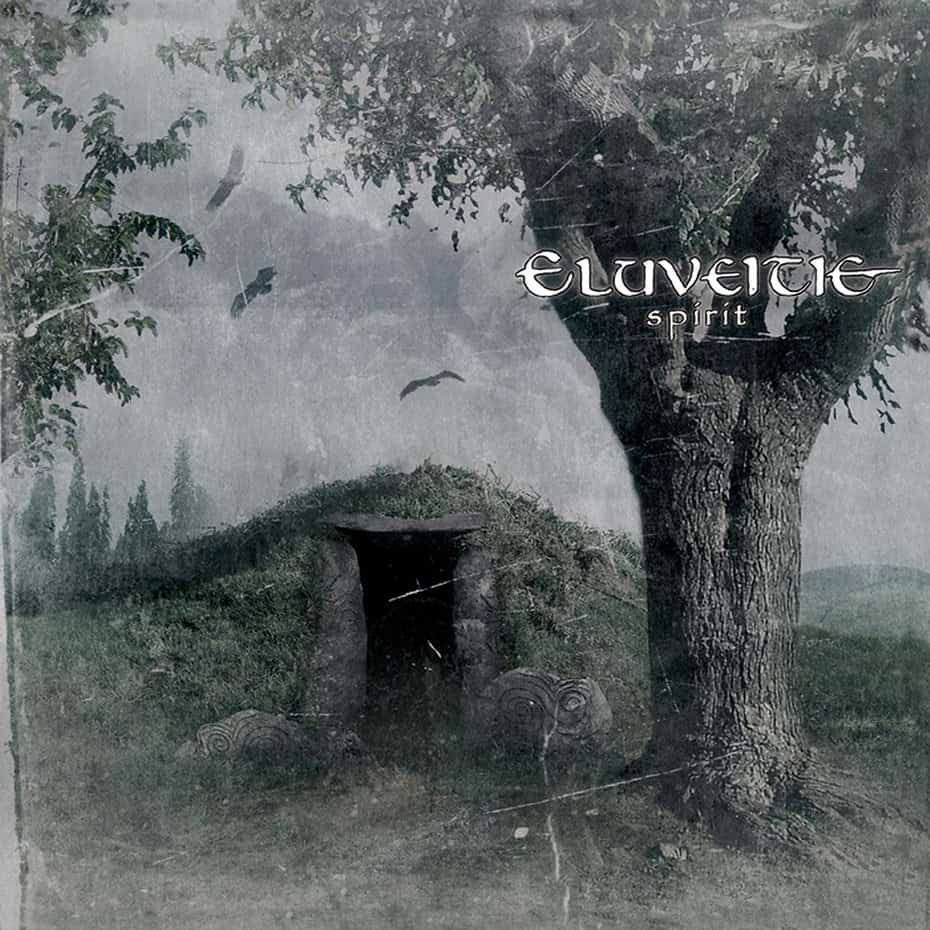
Eluveitie - Spirit(2006)
Eluveitie - Slania(2008)
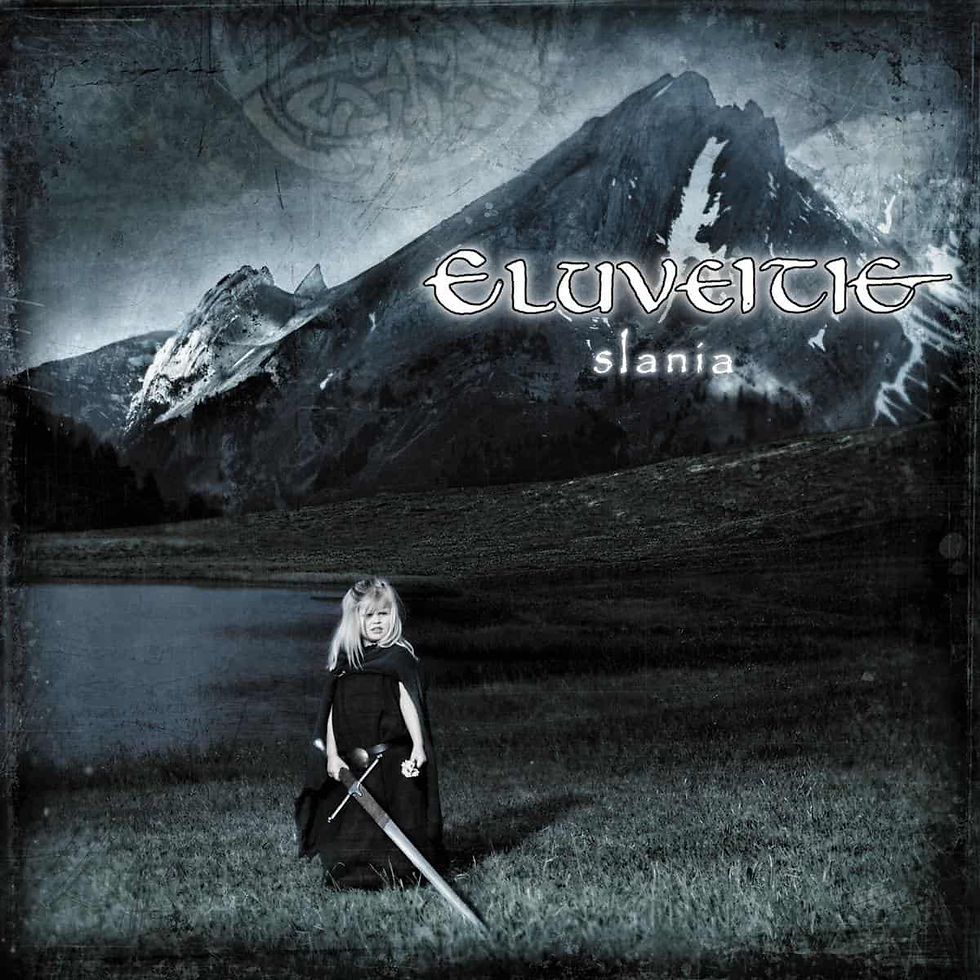
Eluveitie - Evocation I - The Arcane Dominion(2009)

Eluveitie - Everything Remains as It Never Was(2010)

Eluveitie - Helvetios(2012)
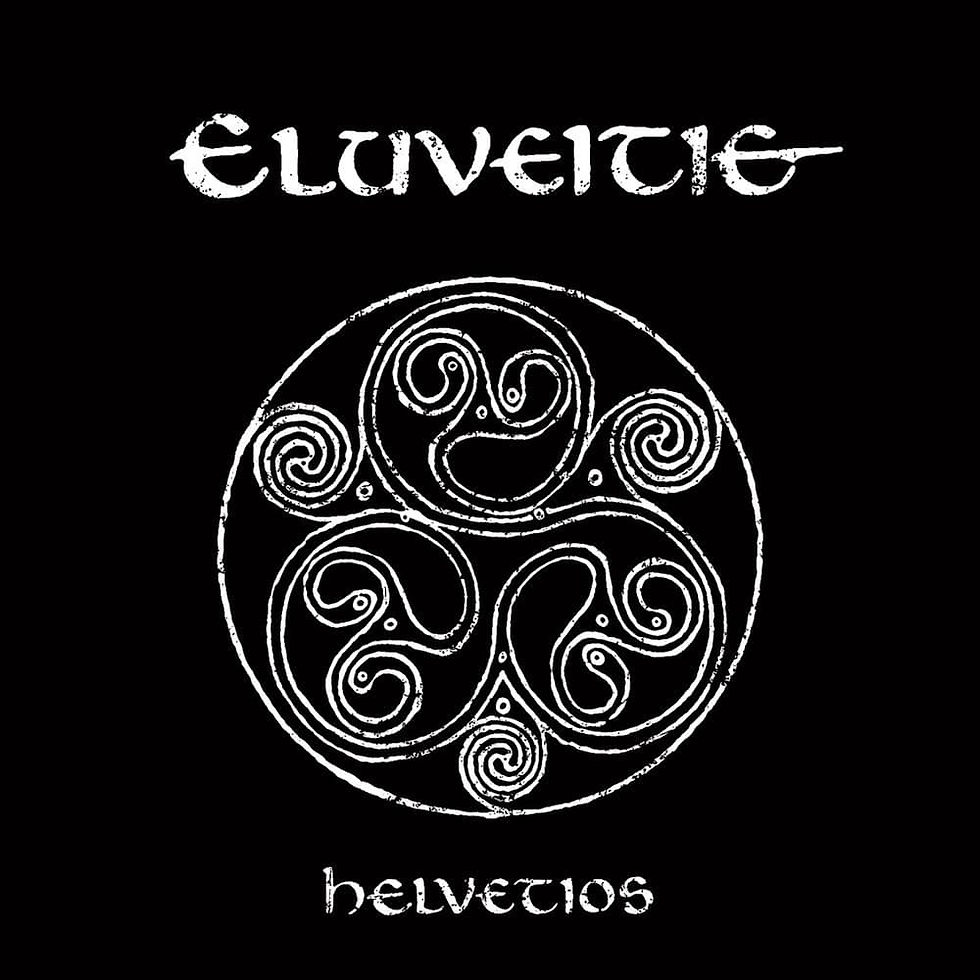
Eluveitie - Origins(2014)

Eluveitie - Evocation II - Pantheon(2017)

Eluveitie - Ategnatos(2019)
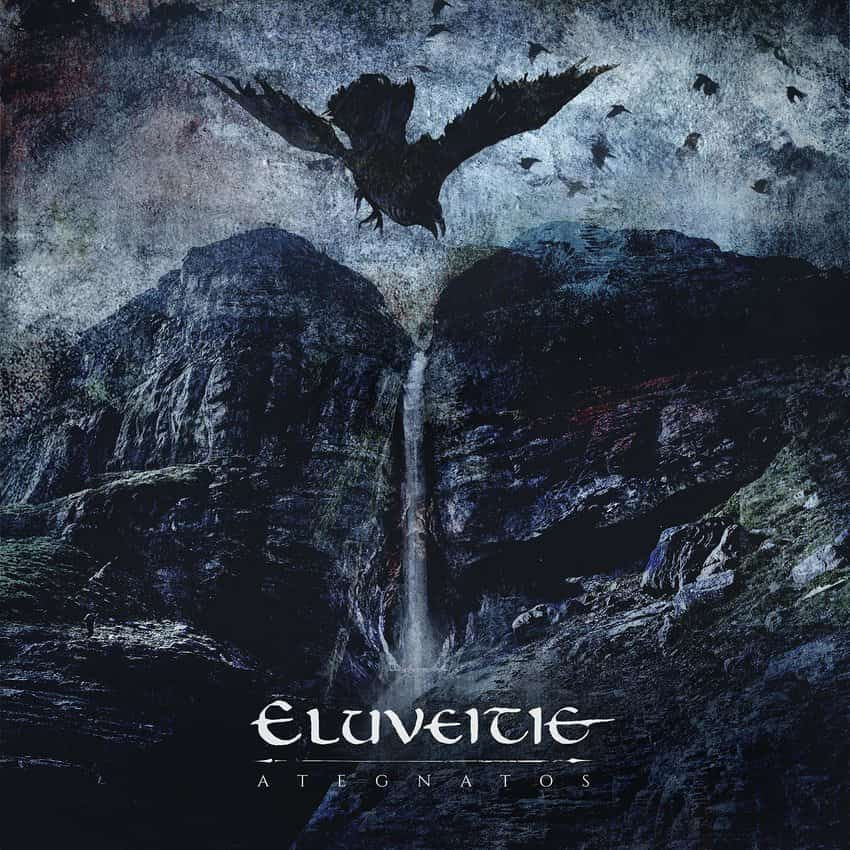
Eluveitie - Ànv(2025)

Eluveitie乐队官方Facebook网站:https://www.facebook.com/eluveitie
Eluveitie乐队官方Homepage网站:http://www.eluveitie.ch/
Eluveitie乐队官方Instagram网站:https://www.instagram.com/eluveitie_official/
Eluveitie乐队官方SoundCloud网站:https://soundcloud.com/eluveitieofficial
Eluveitie乐队官方TikTok网站:https://www.tiktok.com/@eluveitie_official
Eluveitie乐队官方Twitter网站:https://x.com/#!/eluveitie
Eluveitie乐队官方YouTube网站:https://www.youtube.com/user/eluveitieofficial


Comments